
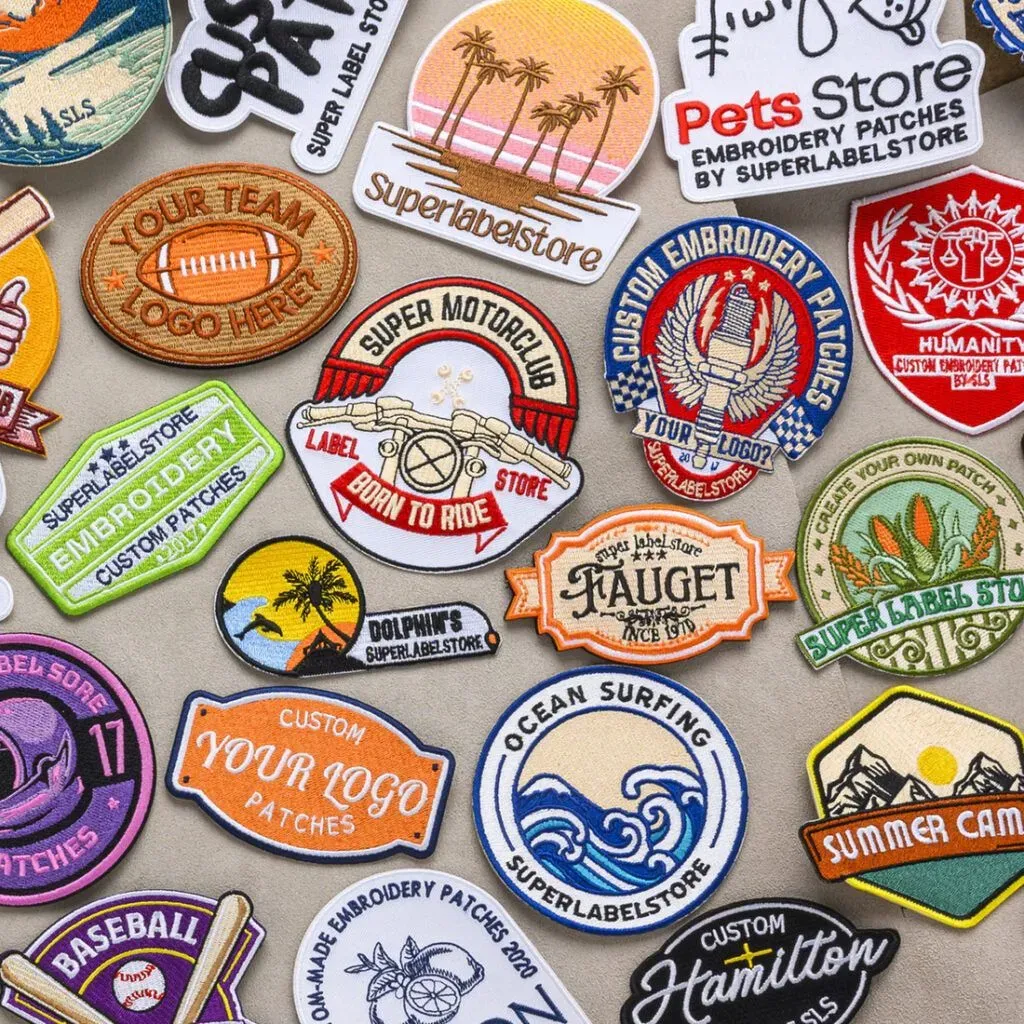
Custom Patches are more than decorative accessories; they tell a story, promote a team or brand, and extend a product line with personality and durability. From sports clubs to fashion lines, Custom Patches offer a versatile way to add identity to clothing and gear. This guide covers embroidered patches, woven patches, and iron-on patches, pairing practical advice with patch design ideas to help you move from concept to finished product. You’ll discover how choice of backing, border, and stitch density affects look, performance, and cost. By focusing on clear typography, high-contrast color palettes, and scalable art, you can create patches that stand out across fabrics while staying true to your brand.
Viewed through an alternative lens, these fabric emblems—also known as badges, sewn insignias, or heat-activated labels—signal identity on garments. In branding and product design, they function as collectible marks that reinforce your story without adding bulk. Terms like embroidered patches, woven patches, and iron-on patches help map the idea to consumer expectations and manufacturing realities, aligning vocabulary with search intent. Understanding backing options, borders, and texture helps you choose the right format for your project and plan production accordingly.
Choosing Between Embroidered, Woven, and Iron-On Patches: A Practical Guide
Understanding the three main patch formats is the first step in choosing the right solution for your project. Embroidered patches offer rich color depth and a tactile surface, woven patches deliver fine lines with a flat, modern finish, and iron-on patches provide fast, at-home application.
When deciding which patch type to use, consider the garment, use case, and care requirements. Embroidered patches are durable and versatile with sew-on or iron-on backing; woven patches excel at small text and clean edges; iron-on patches are ideal for quick prototyping or quick-turn runs, provided you manage adhesive longevity and care.
Custom Patches: Elevating Brand Stories with Patch Design Ideas
Custom Patches let brands tell a story, celebrate a team, or promote a product line. By choosing embroidered patches for bold logos, woven patches for refined badges, or iron-on patches for fast demos, you can craft a cohesive identity across apparel and accessories.
Patch design ideas range from brand identity patches, event patches, collaboration patches, to themed sets. Combining patch formats can produce layered branding that resonates with audiences and creates collectible moments.
Design Principles for Patch Success: Color, Shape, and Legibility Across Patch Types
Design principles ensure patches read well at a distance. Emphasize simplicity, bold contours, and strong color contrast so the patch remains legible on different fabrics.
Typography and sizing are crucial across formats: embroidery handles dense stitch counts, weaving favors larger, scalable type, and color planning with Pantone references helps keep consistency across batches.
Materials and Production: From Fabrics to Digi Files for Embroidered and Woven Patches
Materials and production cover fabrics (twill, felt, cotton), threads (polyester, rayon), borders (merrow, satin), backings (sew-on, iron-on, adhesive), and the digital files that drive production (DST, PES, weave charts).
From concept to cad, follow a design workflow: concept brief, artwork/vectorization, color planning, prototyping, production planning, and quality checks to ensure consistent results across embroidered and woven patches.
Backing, Borders, and Attachment: Maximizing Longevity of Iron-On and Sew-On Patches
Backing, borders, and attachment methods determine how long patches stay in place. Merrow or satin borders protect edges, while iron-on underlayers and heat-activated adhesives enable quick alignment, with sew-on options offering permanence.
End-user care matters: provide clear washing and heat-care instructions to preserve adhesion for iron-on patches and ensure longevity for sew-on and woven or embroidered patches.
Cost, MOQs, and Start-to-Finish Planning for Patch Projects
Cost drivers include stitch count for embroidery, weave density for woven patches, backing type, border finish, and MOQs, which can push values up or down depending on batch size.
A practical start-to-finish plan helps manage expectations: define focus, craft a simple concept, choose backing and border, prepare production files, request samples, iterate, and finalize production with quality checks.
Frequently Asked Questions
What are the key differences among embroidered patches, woven patches, and iron-on patches when creating Custom Patches?
Embroidered patches use thread stitches on a fabric base for depth and durability; woven patches are made on a loom for crisper lines and smoother color blocks; iron-on patches have a heat-activated adhesive backing for quick, tool-free application. For your Custom Patches project, choose embroidered for bold color and texture, woven for fine detail or small type, and iron-on for fast attachment.
For a sports team or brand, how do you choose between embroidered patches, woven patches, and iron-on patches as part of your Custom Patches strategy?
Consider readability, size, and end-use. Embroidered patches are robust for jerseys and caps; woven patches excel with small text and clean lines; iron-on patches are ideal for quick campaigns or samples. Use patch design ideas like badges, identity marks, or milestone symbols to guide the decision.
What design principles help ensure legibility and impact for embroidered patches and woven patches in Custom Patches?
Keep designs simple with bold contours and high contrast. For embroidered patches, avoid very small text and dense stitches; for woven patches, ensure text scales up for legibility. Choose clear typography and large shapes to read well from a distance.
What is the typical design-to-production workflow for Custom Patches—from concept to samples and full production?
Start with a concept brief, then artwork and vectorization or weave-chart mapping. Plan colors with Pantone references, create prototypes, and review readability and edge quality. Prepare production files (DST/PES for embroidery; weave charts for weaving) and select backing and borders before full production.
How do cost, MOQs, and production considerations differ for embroidered patches, woven patches, and iron-on patches in a Custom Patches project?
Costs hinge on stitch count, weave density, backing, and border finish; MOQs vary by patch type and manufacturer. For small runs, consider low-MOQ suppliers or iron-on patches. Patch design ideas that reduce cost include simpler shapes, fewer colors, and avoiding tiny text.
What care and maintenance tips help maximize the longevity of Custom Patches, including iron-on patches?
Follow garment care instructions: wash iron-on patches with low heat and inside-out garments; press with a cloth if needed to protect adhesive. Sew-on patches offer permanent attachment, while iron-ons may require occasional reactivation. Store patches flat in a dry, dark place to prevent wear.
| Topic | Summary |
|---|---|
| Patch Types: Embroidered | Classic fabric base with thread stitches; strong color depth and texture. Versatile for sew-on or iron-on backing. Design considerations: stitch density, border style (merrow or satin), and overall size. Higher stitch counts convey durability; lighter counts reduce cost; common uses include clubs, teams, and brands. |
| Patch Types: Woven | Flat finish with intricate detail; excels at fine lines and small text; smoother color blocks; sleek, modern look. Ideal for branding elements, badges, and apparel needing refinement. |
| Patch Types: Iron-On | Heat-activated adhesive backing enabling quick attachment. Suited for rapid customization, sample runs, or end-user application. Requirements: strong adhesive, protective backing, and clear care instructions to preserve adhesion. |
| Design Principles | Focus on simplicity and legibility; patches are viewed at a distance, so bold shapes read better than intricate details. Ensure color contrast, manage stitch density, and keep text large enough for readability. Consider borders/backing and typographic clarity for embroidery and weaving. |
| Materials & Production | Fabrics: twill, felt, cotton. Threads: polyester or rayon for embroidery; weave structure matters for woven patches. Borders: merrow or satin; Backings: sew-on, iron-on, adhesive. Digitizing (DST/PES) for embroidery; weave charts for weaving. Iron-on designs must maintain legibility after backing changes and adhere well under heat. |
| From Concept to Cad: Design Workflow | 1) Concept & brief; 2) Artwork/vectorization; 3) Color planning (Pantone); 4) Prototyping; 5) Production planning; 6) Quality checks. |
| Design Ideas & Use | Brand identity patches; Event/milestone patches; Collaboration patches; Thematic patches; Customizable patches with personalization options. |
| Practical Considerations | Cost drivers: stitch count, weave density, backing, border. MOQs vary by format; options for low MOQs or print-on-demand with iron-on. Consider longevity and care for end users. |
| Care & Maintenance | Washing: iron-on care (turn garment inside out, gentle cycle, low heat). Sewing patches on for permanence improves longevity. Store patches properly to prevent wear. |
| Trends & Inspiration | Minimalist geometry with bold silhouettes; multi-patch assemblies combining formats; eco-friendly materials and dyes; patches as storytelling devices for milestones, collaborations, or campaigns. |
| Quick-Start Plan | Define focus (embroidered, woven, or iron-on); start with a simple concept; choose backing and border; prepare production files; request samples; iterate based on feedback. |
Summary
Conclusion: Custom Patches offer a versatile storytelling and branding tool that lets teams, brands, and creators extend identity across products with durability and personality. This guide covers embroidered, woven, and iron-on patches, design principles, materials, production workflows, practical considerations, care guidance, trends, and a practical quick-start plan to help you choose the right patch type for your project and bring your patch concept to finished, high-quality product.