
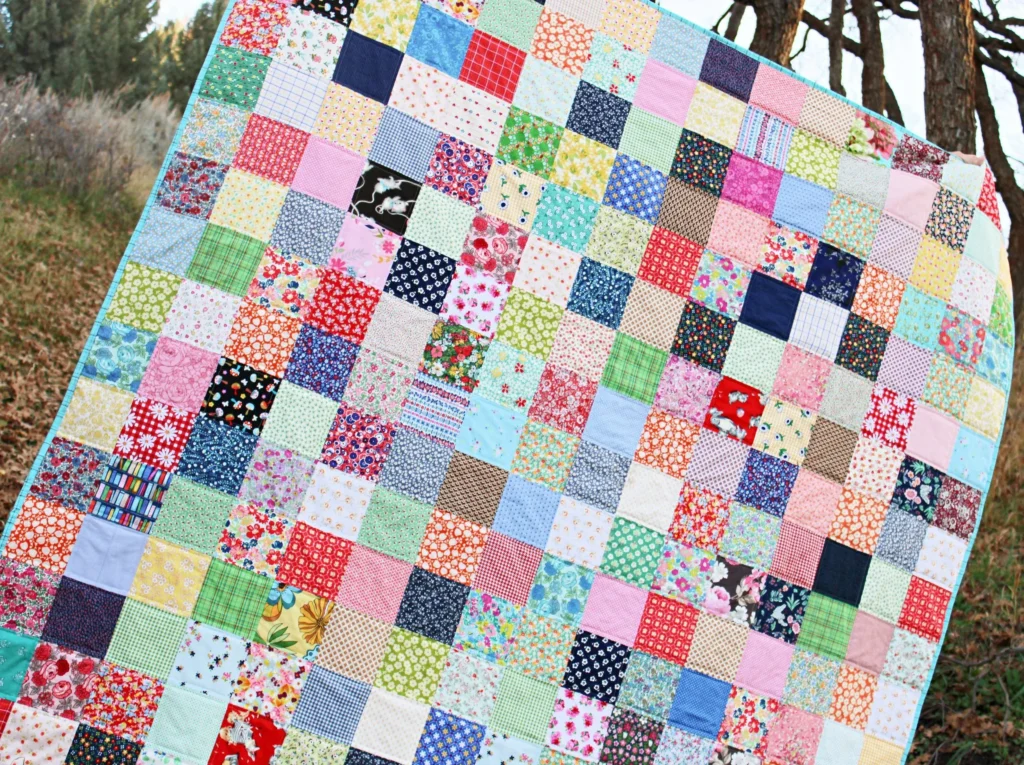
Patches in quilting are more than scraps; they are the heartbeat of a craft that turns fabric into personal stories, inviting you to slow down, notice texture, and see how color choices can quietly guide your stitching from start to finish. For beginners, understanding patchwork basics helps you see how small shapes become a cohesive whole, inviting you to experiment with color, texture, and pattern, and to build confidence with each careful seam you set. By exploring sewing quilt patches and learning to cut with care, you begin to build confidence while keeping waste to a minimum, discovering how precise cutting saves time later. Gentle progress through simple block projects shows how patchwork techniques can translate into practical, durable finished pieces that bring warmth to a room and pride to your hands. As you practice, you’ll discover that ideas for color and layout emerge from thoughtful planning, patience, and a playful approach to fabric scraps, making every project feel like a personal story you authored.
To frame this craft in broader terms, think of fabric scraps as building blocks and patchwork as a design language that blends texture, value, and motif. You can think in terms of fabric pieces or blocks that form a quilt top, while you learn the essentials of precise cutting, consistent seams, and layout planning. For newcomers, this approach translates into hands-on projects that emphasize steady stitching, color harmony, and the logic behind traditional and modern patchwork. As patterns shift—from nine-patch to modern grids—the same underlying ideas of balance and repetition apply, with terms like block construction and color storytelling becoming your guide. This overview is designed to feel approachable, offering clear steps and practical tips you can try right away on small practice pieces.
Patches in quilting: Foundations of patchwork for beginners
Patches in quilting are the heartbeat of patchwork and the first step for anyone curious about sewing quilts. This guide emphasizes patchwork basics, showing how small fabric scraps can become a coherent, durable whole. For quilting beginners, understanding patches as the building blocks helps demystify the craft and builds confidence to tackle simple projects, from coasters to cozy throws.
Blocks are formed from individual patches, such as squares, rectangles, or triangles, and the magic happens when these pieces align precisely. Starting with a beginner-friendly example like the nine-patch demonstrates how consistent seam allowances and careful pressing yield neat, predictable results. By planning a color story and practicing with everyday fabrics, you can see how stitching tiny patches creates something larger and beautifully cohesive.
Choosing fabrics and color stories in patchwork basics
Fabric selection is foundational to patchwork basics. Cotton is the go-to fiber for most quilters, offering easy handling and reliable seams. For beginners, assemble a small, cohesive palette of prints and neutrals, and keep fabric scraps organized by value (light, medium, dark) to simplify planning patchwork quilt patterns that read well from a distance.
Color storytelling matters as you build your patchwork. Start with 2–3 main colors plus neutrals, then introduce variation through value and scale. Mixing large prints with smaller ones adds visual interest, while maintaining balance across blocks helps you avoid a chaotic look. This approach aligns with quilting for beginners’ goals: practice deliberate color choices and see how patches interact to form a harmonious pattern.
Core patchwork techniques that save time and ensure accuracy
Mastering patchwork techniques begins with a consistent 1/4-inch seam allowance. A dedicated foot and a steady pace help you keep blocks square, which is essential for clean rows in the final quilt. Pressing plays a crucial role—press seams flat and to one side or open, depending on the design—to minimize bulk and preserve patch shapes.
Other essential techniques include chain piecing to speed up sewing, sub-cutting and layout planning to visualize the block before sewing, and blocking and squaring up after assembly. These practices keep your patches aligned and reduce misalignment as you scale from a simple block to a full quilt top.
Constructing beginner blocks: a step-by-step nine-patch guide
A beginner-friendly way to practice patchwork is the nine-patch block, a 3×3 arrangement of nine equal patches. Start by cutting nine 2.5×2.5 inch squares, then sew them into three rows and join the rows with a consistent 1/4-inch seam allowance. Press seams in the same direction for a crisp, flat block, and finally trim the block to the desired size for precise alignment.
As you sew more nine-patches, you’ll learn how color values and print scales interact, creating dynamic textures within a simple layout. Repeating this block multiple times helps you understand how block size affects overall pattern and how careful measurement leads to a polished quilt top—core concepts in patchwork techniques that translate to more complex projects.
Patchwork quilt patterns and color harmony for beginners
Exploring patchwork quilt patterns gives you a roadmap for turning scraps into recognizable designs. For beginners, classic options like nine-patch, log cabin, and rail fence provide satisfying structures that teach color value, block placement, and seam alignment. Understanding patchwork quilt patterns helps you plan layouts, estimate fabric needs, and reduce waste.
Color harmony in patchwork comes from balancing value, contrast, and scale across blocks. Start with a cohesive color wheel approach, selecting 2–3 dominant colors and a few neutrals, then introduce varied fabrics to maintain interest without overwhelming the design. As you grow more confident, you can experiment with more complex patterns while keeping the fundamentals of patchwork quilt patterns in mind.
Finishing, care, and starter projects for confident beginners
Finishing a patchwork project involves layering (basting), quilting, and binding. For beginners, simple all-over quilting or a light meander can be effective while you refine your technique. A stable top, secure batting, and even stitching help ensure durability and a clean, professional edge.
Care and maintenance are straightforward: wash in cool water with a mild detergent and dry flat or on a low heat setting if fabrics permit. To reinforce your learning, start with small, satisfying projects like patchwork coasters, a patchwork pillow cover, or a mini wall hanging. These starter projects reinforce patchwork basics, practice the seam lines you’ve learned, and build confidence for larger quilts.
Frequently Asked Questions
What are patches in quilting and how do they form the core of patchwork basics?
Patches in quilting are the individual fabric pieces that come together to form blocks and the finished quilt. In patchwork basics, you learn to select fabrics, cut accurately, and sew a consistent seam to assemble patches into blocks such as a nine-patch.
How can you apply sewing quilt patches in patchwork techniques to build your first block?
Start by cutting equal patches, then sew them into rows with a steady 1/4-inch seam, pressing seams flat as you go. This is a fundamental patchwork technique for sewing quilt patches, and you finish by assembling the rows into a block and squaring it up.
Which patchwork quilt patterns are best for quilting for beginners using patches in quilting?
For quilting for beginners, try classic patchwork quilt patterns such as nine-patch, log cabin, or rail fence. These patterns use patches in quilting to build color harmony and confidence as you practice cutting, sewing, and pressing.
What tools and materials are essential for patchwork basics when working with patches in quilting?
Essential tools for patchwork basics include cotton fabrics, a sharp rotary cutter, a self-healing cutting mat, and a clear ruler; plus a sewing machine with a quarter-inch foot and good thread for patches in quilting.
How do you ensure accuracy and reduce waste in patchwork techniques for beginners?
To improve accuracy in patchwork techniques, cut precisely, maintain a consistent 1/4-inch seam, and lay out blocks before sewing. Squaring up blocks after joining helps them fit together cleanly, reducing fabric waste, and these steps support patches in quilting.
What beginner-friendly project ideas can help you practice patches in quilting and learn patchwork quilt patterns?
Great starter projects include patchwork coasters, a patchwork pillow cover, a mini wall hanging, and a small sampler quilt—each uses patchwork quilt patterns built from patches in quilting to practice layout, cutting, and sewing.
| Topic | Key Points | Notes/Examples |
|---|---|---|
| What are patches in quilting? | Patches are individual fabric pieces that form blocks and quilts. Shapes include squares, rectangles, triangles; patchwork creates patterns; common block designs include nine-patch, churn dash, and flying geese. | Understanding patch shapes helps plan projects, reduces waste, and guides pattern selection. |
| Patchwork basics | Foundations: choose fabrics that complement each other, cut accurately, and sew with a steady hand. Start with small units (patches) and progress to larger quilts; plan a color story and practice consistent seams. | Principles stay the same as you gain confidence; the approach scales to more complex blocks. |
| Materials and tools | Fabrics: cotton with a cohesive color story; cutting tools (sharp rotary cutter, self-healing mat, clear rulers); sewing machine and notions (quarter-inch foot, good thread); hand-piecing tools (needles, thread); pins and pressing supplies (iron, ironing surface, pressing cloth); measuring tools (seam gauge, pencil/marker). | Keep gear affordable but reliable; start with a minimal, coordinated set. |
| Core techniques | Seam allowances (1/4 inch standard); pressing vs ironing; chain piecing for speed; sub-cutting and layout; blocking and squaring up to size. | Practice on scraps to dial in accuracy and layout before tackling full projects. |
| Nine-patch block (beginner) | Step 1: Cut nine equal squares (e.g., 2.5×2.5 inch). Step 2: Sew into three rows of three. Step 3: Join rows. Step 4: Trim to final size. | A simple, foundational block that teaches measurement, seam alignment, and color planning. |
| Color, fabric selection, and patterns | Build a cohesive color story using light, medium, and dark values; use a color wheel to pick 2–3 main colors plus neutrals; mix large and small patterns for interest. Common beginner patterns: nine-patch, log cabin, rail fence. | Color dynamics and pattern scale influence overall quilt appearance. |
| Finishing and care | Layer (baste), quilt, and bind. Choose simple all-over designs or light meander; baste to stabilize. Care: wash cool, dry flat or low heat; press after washing to maintain crispness. | Proper care extends quilt life and keeps seams and blocks stable. |
| Project ideas for beginners | Patchwork coasters; patchwork pillow cover; mini wall hanging; small sampler quilt to practice multiple techniques. | Start small to build skills and confidence. |
| Common mistakes to avoid | Inconsistent seam allowances; skewed blocks; poor pressing; fabric waste; overwhelming color choices. | Plan ahead, double-check measurements, and practice regularly. |
| Next steps | Keep a notebook or digital record of block dimensions, seam allowances, fabric needs; track progress and refine techniques over time. | Consistency and reflection accelerate improvement. |
Summary
HTML table provided above summarizes the key points about patches in quilting from the base content. The following conclusion reinforces the topic for Patches in quilting in a descriptive, SEO-friendly style.