
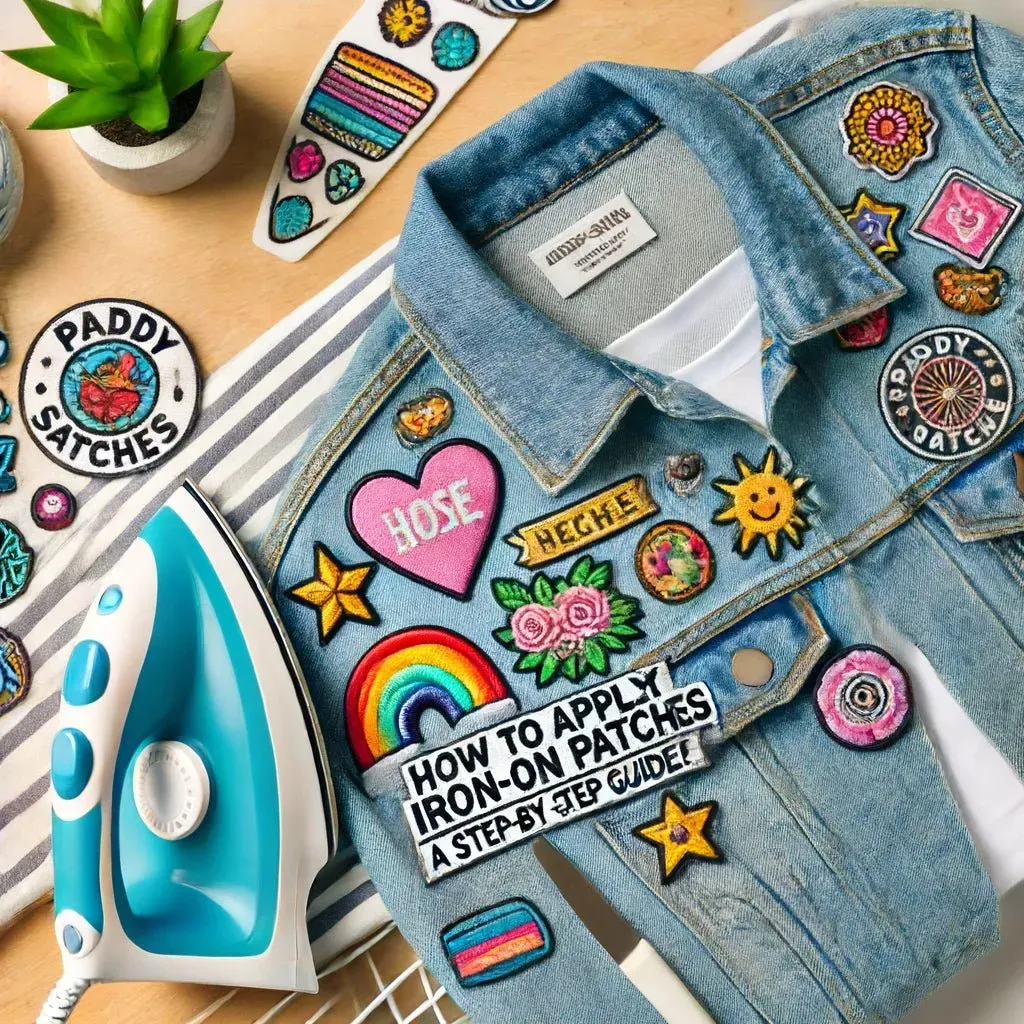
Iron-On Patches for Fashion have moved from retro DIY novelty to mainstream style, offering a practical, creative way to refresh wardrobes without breaking the bank, while letting you experiment with textures, colors, and storytelling on denim, leather, canvas, and even knitwear, a flexibility that suits fast-paced wardrobes and a vast range of personal styles and wearable art. Whether you want to revive a tired denim jacket, personalize a backpack, or add a quirky accent to sneakers, these patches provide a quick, durable, and highly customizable solution that can transform mood and outfit mood in minutes, making fashion feel playful and practical at once, a flexible system you can swap out seasonally as trends shift. This journey is echoed in Patches 101, a friendly primer that covers what these embellishments are and how to apply iron-on patches, including steps, precautions, and design considerations to help you start confidently, avoid common missteps, and map a cohesive patch plan aligned with your existing wardrobe. As you explore iron-on patch tips and care for iron-on patches, you’ll learn to choose patch sizes and edge finishes, place motifs for balance across different fabrics and garment types, and protect fabrics with heat settings and protective cloth to maximize durability and minimize shine over time. With a library of fashion patch ideas at hand, you can craft a capsule of signature pieces—layered, thematic, and cohesive—so your wardrobe tells a personal story while staying affordable, adaptable to evolving trends, occasions, and personal milestones for a living catalog of personal style.
Beyond the familiar term, these items are best described as heat-activated fabric badges or garment embellishments that bond to textiles when heat is applied, offering a scalable way to refresh looks without buying new pieces. They range from embroidered accents to woven logos and adhesive-backed icons, enabling bold storytelling on jackets, backpacks, sneakers, and hats while preserving fabric integrity. Used strategically, this patchwork method supports a personal style language, allowing you to experiment with color, texture, and placement and to build a cohesive mini collection that evolves with trends.
Understanding Iron-On Patches: What They Are and How They Fit into Fashion
Iron-On Patches are designs with a heat-activated adhesive backing that bond to fabric when a hot iron presses them in place. They’ve evolved from a DIY niche into a versatile tool for personalizing wardrobes, aligning with the Patches 101 concept of affordable, creative customization. In the context of fashion, these patches offer a quick way to refresh denim, bags, sneakers, and more without sewing expertise, making style updates feel accessible and practical.
By exploring the idea of Iron-On Patches for Fashion, you can see how the combination of images, textures, and colors becomes a storytelling element on everyday clothes. Whether you prefer bold logos, floral accents, or retro badges, patches act as portable art that can be rearranged as trends shift. This adaptability mirrors the core ethos of patches in fashion: style with convenience and personality in one affordable step.
How to Apply Iron-On Patches: A Beginner’s Step-by-Step Guide
If you’re new to how to apply iron-on patches, start with a simple, repeatable process to build confidence. Gather patches, a clean garment surface, a cotton cloth or parchment paper, a reliable iron or heat press, and a flat workspace. This aligns with practical guidance from Patches 101 and sets the foundation for successful placement and bonding.
Next comes the application itself: heat, pressure, and timing. Set the iron to the temperature recommended on the patch packaging, usually around 250-350°F (120-175°C), then press firmly for 15-30 seconds while shielding the patch with a protective cloth. Allow the garment to cool completely and, for added durability, consider stitching around the edge after ironing. These steps reflect common iron-on patch tips and ensure a solid, lasting bond.
Choosing the Right Patches: Materials, Backings, and Edge Finishes
Selecting patches means weighing options such as embroidered versus woven designs, different backings, and edge finishes. Patches 101 explains how adhesives can vary in strength and fabric compatibility, so you’ll want to consider the garment material—cotton, denim, canvas, or blends—before committing. A reliable backing and durable edging contribute to longevity, especially on frequently washed items.
Edge finish matters for both appearance and durability. Consider how a patch sits on curved areas like sleeves or knees, and whether a tighter weave or finer threading will hold up under wear. When shopping for patches for fashion use, choose options that are colorfast and designed to adhere to your fabric type, and remember that some patches pair well with additional stitching for extra security.
Care for Iron-On Patches: Washing, Drying, and Longevity
Keeping Iron-On Patches for Fashion looking sharp starts with washing and drying mindful of patch guidelines. Turn garments inside out before washing, avoid high heat, and follow any manufacturer care instructions. This care routine is part of the broader advice in Patches 101 and helps preserve color, adhesive integrity, and overall patch life.
If you notice edges lifting after several washes, re-pressing with a protective cloth can restore the bond, or you can add a light stitch along the edge for heavy wear zones. By combining gentle care with occasional reinforcement, you’ll extend the life of patches and maintain a polished look that stays reliable through repeated wear and laundering.
Creative Fashion Patch Ideas: Denim, Accessories, and Shoe Styling
The creative potential of patches spans many fashion items. Denim jackets can host clusters of mini patches or a bold focal patch to create a signature look, while jeans can feature pocket decorations or hemline accents for a subtle upgrade. This aligns with fashion patch ideas that turn ordinary pieces into personal statements without a full wardrobe overhaul.
Beyond clothing, patches transform accessories like bags, hats, and even sneakers. Layering shapes, sizes, and colors lets you curate a patch gallery that reflects hobbies, travel memories, or favorite bands. As you explore ideas for Iron-On Patches for Fashion, aim for a balanced composition: choose a main patch to anchor the design and support it with complementary accents for a cohesive, story-driven look.
Durability and Longevity: When to Sew-On for Extra Security
While iron-on patches provide quick and flexible updates, sewing around the edge after ironing offers an added layer of durability for items that undergo frequent washing or heavy use. This approach—hot iron setting followed by precise stitching—preserves the patch’s appearance while delivering longer-lasting adhesion, particularly on active garments or children’s clothing.
A combined method can be especially effective: apply heat to bond the patch, then sew along the edges with a tight stitch or small zigzag. This maintains the patch’s aesthetic while giving it resilience against wear, making it a practical option for everyday denim, backpacks, or shoes where durability matters as much as style.
Frequently Asked Questions
What are Iron-On Patches for Fashion and why are they popular today?
Iron-On Patches for Fashion are designs with a heat-activated adhesive backing that bond to fabric when pressed with a hot iron. They offer quick, affordable wardrobe refreshes for jackets, backpacks, and sneakers and can be sewn later for extra durability. Available in embroidered, woven, and other textures, they let you personalize outfits without sewing skills.
How to apply iron-on patches for fashion: a step-by-step guide for beginners
To apply iron-on patches for fashion: gather supplies (patches, a clean surface, a cotton cloth, a heat source); prep the fabric and plan placement; set the heat to your patch’s recommended range (often 250–350°F / 120–175°C); protect the patch with a thin cloth; press firmly for 15–30 seconds; let cool completely; and optionally stitch around the edge for extra durability.
What options exist in Iron-On Patches for Fashion and how do you choose the right one?
Iron-On Patches for Fashion come in several options: embroidered patches with heat-activated backing, woven patches for tighter texture and detail, and patches using fabric-specific glue or fusible web. Patches 101 guides you to consider patch size, edge finish, colorfastness, and backing quality to ensure longevity on your fabric. When shopping, match the patch type to your garment and care routine.
What are essential iron-on patch tips for best results with Iron-On Patches for Fashion?
Key iron-on patch tips for Iron-On Patches for Fashion include testing on scrap fabric first, using a protection cloth, applying the right heat, pressing evenly, and allowing the patch to cool before moving the garment. For curved surfaces, use multiple small patches and avoid excessive heat to prevent curling. If edges lift later, re-press or add a light stitch for security.
How to care for iron-on patches to keep them looking sharp on Iron-On Patches for Fashion?
Care for Iron-On Patches for Fashion by following the patch maker’s washing guidelines, turning garments inside out, and avoiding high heat in the dryer. Use gentle cycles and air-dry when possible; if edges begin to peel after washing, re-press or stitch along the edge. For heavier wear, sewing around the edge after ironing adds long-lasting durability.
What are creative fashion patch ideas using Iron-On Patches for Fashion to refresh your wardrobe?
Creative fashion patch ideas with Iron-On Patches for Fashion include clustering mini patches on a denim jacket for a playful collage, embellishing jeans pockets or hems for a subtle detail, patching bags or hats to transform accessories, adding patches to sneakers for personality, and layering different shapes, sizes, and colors to build a curated patch gallery that reflects your hobbies or travels.
| Aspect | Description | Key Takeaways | Practical Tips |
|---|---|---|---|
| What are Iron-On Patches? | Designs with heat-activated adhesive backing that bonds to fabric when heat is applied; semi-permanent; numerous shapes; can be sewn later for durability. | Semi-permanent bond; diverse designs; can be reinforced with stitching. | Test heat settings; use a pressing cloth; allow to cool; follow packaging guidance (usually around 250–350°F). |
| Why they matter in fashion? | A cost-effective way to personalize clothing and accessories; enables color, texture, and storytelling; flexible wardrobe that stays fresh. | Low-risk way to test style ideas; learn color coordination and patch placement; supports recycling existing items. | Start with a few patches on a neutral item; plan layout first; consider color balance and patch sizes. |
| Patch types and options | Embroidered patches with heat adhesive; woven patches; fabric-specific glues for cotton, denim, or canvas; fusible web option. | Choose size, edge finish, colorfastness, backing quality for longevity. | Prioritize patches with strong edging and reliable adhesive; ensure patch type matches fabric. |
| How to apply patches: step by step | Gather supplies, prep fabric, set heat per patch packaging around 250–350°F, protect patch with cloth, press 15–30 seconds, check edges, cool; optionally stitch around edge for durability. | Step-by-step method ensures reliable adhesion; follow packaging temps. | Test heat on scrap fabric; use parchment or cloth; ensure garment lies flat; adjust heat for delicate fabrics. |
| Care and maintenance | To keep Iron-On Patches for Fashion looking sharp, avoid high heat in the dryer and follow patch manufacturer washing guidelines. | Proper care extends patch life and keeps colors from fading. | Turn garments inside out before washing; air-dry if possible; if edges peel, re-press or stitch along the edge. |
| Creative ideas and styling | The potential is vast; apply to denim jackets, jeans, bags, hats, and shoes; layer patches to create a curated gallery; tell stories with themed patches. | Expands personality, supports storytelling, and creates signature pieces. | Balance focal patches with supporting accents; test layout; use a main patch complemented by smaller ones. |
| Common mistakes and durability | New patchers heat patches too long or too hot, skip protection cloth, or choose fabrics that don’t hold heat well. | Common issues include peeling edges and weak adhesion. | Always test on scrap fabric; press evenly; allow cooldown; re-press with protection cloth; sew around edge for high wear zones. |
| Where to buy and how to choose quality patches | Quality patches feature heat-activated adhesives designed for garment fabrics, colorfast inks, and reinforced edging; sustainability matters. | Look for durable backings and reliable adhesives; check colorfastness and edging; consider eco-friendly options. | Test on similar fabric; follow care instructions; buy patches from reputable brands with clear care guidelines. |
| The future of patches in fashion | Patches offer a sustainable, expressive path forward in fashion by enabling ongoing wardrobe updates without new garments. | Supports individuality and circular fashion principles. | Designers explore texture, color, and arrangement; patch-based capsules can evolve with trends. |
Summary
Conclusion: Iron-On Patches for Fashion empower anyone to transform ordinary clothing into something uniquely theirs. This descriptive summary highlights how patches offer affordable updates, creative storytelling, and sustainable style across jackets, backpacks, shoes, and more. By applying the patches correctly, caring for them, and exploring varied designs, you can build a signature wardrobe that feels personal and current.