
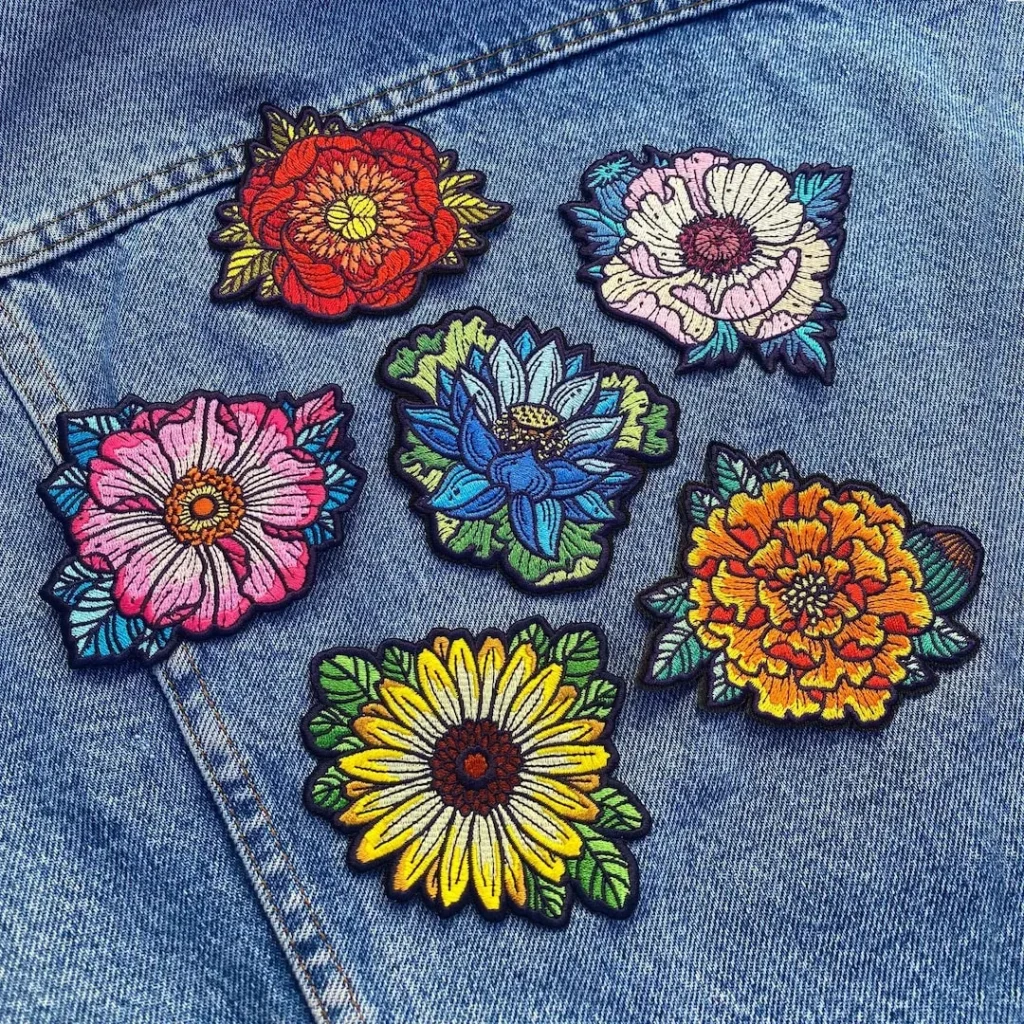
Embroidered patches are a versatile way to express identity, brand, or personal style. For jackets and backpacks, these emblems add a signature pop of color and texture while offering practical backing options that suit different fabrics. Whether you opt for iron-on patches or sew-on patches, you can weigh factors like durability and size of patches to choose the best fit. Custom patches let you craft a distinctive look for teams, clubs, or personal collections, with a border finish and embroidery density that survive regular washing. In this guide, you’ll discover design considerations, care tips, and how to select patches that look great and last.
Beyond the label patches, these fabric emblems are often described as badges, insignias, or appliqués that can be applied with heat-activated backing or sewn for lasting wear. Viewing them through this broader lens helps connect related ideas like durability, scale, color fidelity, and how placement influences overall style. Other synonyms you may encounter include cloth patches, embroidered badges, and decorative sew-ons, all sharing the goal of personalization and resilience. By thinking in these linked terms, designers and buyers can coordinate artwork, backing methods, and placement to build a cohesive look across jackets, backpacks, and accessories.
Backing options and attachment methods that maximize patch durability
Choosing the right backing for embroidered patches influences how long they stay attached and how well they hold up to daily wear. Iron-on patches use a heat-activated adhesive that can be quick to apply on jackets and backpacks, especially on sturdy fabrics. Sew-on patches rely on stitching to secure them and generally deliver greater durability in high-use environments. When evaluating patch backing options, consider fabric type, washing habits, and whether you want a temporary or permanent attachment.
Durability is not just about the method; it’s also tied to the patch design and material choices. For items that endure frequent washing or rough handling, sew-on patches with a tight satin or zigzag stitch around the edge provide stronger anchoring than glue alone. Iron-on patches can work well for light or decorative applications, but they may require reactivation after several washes or on fabrics that don’t hold glue well. Some patches combine a heat-activated adhesive with a woven backing to improve grip while preserving easy removal if needed.
Sizing and shaping patches for jackets and backpacks to balance aesthetics and practicality
Size and shape determine how a patch looks on a garment without overpowering the silhouette. For jackets, chest or shoulder patches in roughly 2 to 3 inches (5–7.5 cm) across strike a balance between visibility and wearability. More intricate designs may justify 3 to 4 inches (7.5–10 cm) if the patch sits on a broader area. On backpacks, 2.5 to 3.5 inches (6.5–9 cm) wide patches tend to stay visible while avoiding interference with straps, closures, or pockets.
Shape options—from circles and shields to custom silhouettes—change how light reflects and how the embroidery sits on the fabric. Circular and shield shapes are versatile and easy to place, while irregular shapes can add personality but might raise setup costs. Regardless of shape, aim for a clear focal element and sufficient contrast so the patch reads well up close and from a distance.
Embroidered patches: materials, borders, and long-lasting visual appeal
Embroidered patches rely on strong fabrics and precise borders to maintain form. Patch bases like twill, felt, and cotton provide different textures and stability, while a Merrow border—the tight overcast edge—gives a crisp silhouette and extra edge protection against fraying.
Thread quality matters as much as base material. Professional-grade polyester thread delivers durability and colorfastness, and UV-resistant variants help patches resist fading in sun-exposed areas. When you consider durability and size of patches, pairing a robust thread with a sturdy base helps patches keep their color and shape through years of use.
Iron-on vs sew-on patches for everyday wear and performance in different fabrics
Allied with your garment type, iron-on patches and sew-on patches each have best-fit scenarios. Iron-on patches excel for quick customization on sturdy fabrics like denim or canvas, while sew-on patches excel in outerwear and gear that goes through frequent washing. If your design includes small text or fine detail, ensure the embroidery density remains legible with an appropriate backing and stitching.
Care needs differ by backing method. Iron-on patches may lose adhesive with heat during washing and should be reactivated according to patch instructions, often with a brief heat press after washing. Sew-on patches, once stitched, behave similarly to regular fabric features and will survive many cleanings when secured with a robust stitch pattern. If you mix methods, label accordingly to prevent misapplication in the future.
Custom patches for teams and brands: from artwork to order fulfillment
Custom patches are ideal for clubs, brands, and events, offering a path from artwork to tangible gear. Start with vector artwork (AI or EPS) for crisp embroidery, and request a color guide to match brand standards. Decide on patch size, quantity, and expected lead times before you begin production.
In the ordering phase, choosing patch backing options evolves into a planning step: iron-on patches for fast, on-site customization or sew-on patches for maximum durability. Review proofs, confirm border style, and ask for samples to assess embroidery density and color fidelity before committing to a larger batch. This approach helps ensure your patches align with your intended use and budget.
Care, maintenance, and repair: keeping patches vibrant through washing and wear
Proper care extends the life of embroidered patches, preserving vibrancy and preventing edge fraying. Follow garment care labels and wash patches in cold water when possible. Avoid high-heat dryers unless the patch backing is heat-set and designed to withstand it.
Storing jackets and backpacks away from direct sunlight helps maintain color fidelity over time. For iron-on patches, reactivation after washing may be needed if the adhesive softens; use a brief heat press per patch instructions. For sew-on patches, occasional re-stitching along the edge can keep the patch firmly attached as fabrics wear. Regular inspection and gentle handling will keep patches looking fresh between seasons or events.
Frequently Asked Questions
What are embroidered patches and how do they differ from iron-on patches or sew-on patches?
Embroidered patches are fabric pieces decorated with thread and finished with a durable edge. They come with different patch backing options. Iron-on patches use heat-activated adhesive for quick application, while sew-on patches are stitched on for greater durability and washability. For jackets and backpacks, choose based on fabric, care, and how permanent you want the patch to be.
What are patch backing options and how do they affect durability and application for jackets and backpacks?
Patch backing options include iron-on patches and sew-on patches, with variants like heat-seal backings. Iron-on patches are convenient for fast customization but may lose stickiness with repeated washing or heat; sew-on patches are generally more durable and suitable for heavy-use items. Consider fabric type, washing practices, and the level of permanency when selecting backing options.
How do size and shape affect the look and utility of embroidered patches on jackets and backpacks?
For jackets, aim for 2–3 inches in diameter or width for chest or shoulder patches, or 3–4 inches for more complex artwork. On backpacks, 2.5–3.5 inches works well on the front panel or straps. Circular and shield shapes are versatile, while irregular shapes add personality but may cost more to produce.
What should I consider when designing custom patches to ensure color accuracy and longevity?
When ordering custom patches, provide vector artwork (AI or EPS) and request a color guide to align with your design. Use durable polyester thread and UV-resistant options, and choose a sturdy patch base such as twill. A Merrow border and proper stabilizer help maintain shape and edge finish, regardless of patch backing options.
How should I care for embroidered patches to maximize their lifespan on jackets and backpacks?
Follow garment care labels and wash patches in cold water when possible. If using iron-on patches, avoid prolonged high heat and re-activate the adhesive after washing as required by the patch instructions. For sew-on patches, ensure a strong stitch pattern and avoid high-heat drying; store items away from direct sunlight to prevent fading.
How do I decide between iron-on patches and sew-on patches for a project, and what other factors should influence the choice?
Choose iron-on patches for quick, temporary customization and sew-on patches for maximum durability and washability. Consider fabric type, longevity needs, and how often the garment will be laundered. For custom patches, plan lead times, and decide on patch backing options that suit the application and budget.
| Aspect | Key Points | Practical Tips |
|---|---|---|
| What are embroidered patches | Fabric pieces decorated with thread; edge finished with a Merrow/overlock border; backed with stabilizer to maintain shape during embroidery and washing; commonly used on jackets and backpacks; embroidery density, color, and backing affect vibrancy and durability. | Choose patches with a durable border and proper backing; ensure the fabric can tolerate embroidery and washing; consider density to avoid bleeding or distortion. |
| Backings and attachment methods | Main options are iron-on (heat-activated adhesive) and sew-on (stitched) patches. | Iron-on: quick and convenient, but durability depends on fabric, heat, and care; reactivation may be needed after washing. Sew-on: generally more durable and wash-friendly, better for heavy-use items. |
| Other attachment options | Heat-seal methods or iron-on with a woven backing can be used for added grip, but iron-on and sew-on cover the majority of needs. | When in doubt, prioritize iron-on for quick replacement and sew-on for durability; adjust to fabric type and wash practices. |
| Size, shape, and design | Chest/shoulder patches on jackets: typical 2–3 inches (5–7.5 cm); 3–4 inches (7.5–10 cm) for more elaborate artwork. Backpack patches: 2.5–3.5 inches (6.5–9 cm). Shapes: circular or shield are versatile; irregular shapes add personality but may raise setup costs. Design: clear focal element, high contrast, avoid overly dense embroidery on small patches. | Test placement to avoid interference with straps or closures; choose shapes that fit garment dimensions; balance patch sizes for a cohesive look. |
| Materials and durability | Patch bases include twill, felt, or cotton with a stabilizer at the back. Borders are often Merrowed. Threads are typically polyester (colorfast); UV-resistant threads recommended for outdoors. | Prefer twill bases for strength and clarity; ensure thread colors are tested; consider outdoor exposure and fade resistance. |
| Care and maintenance | Follow garment care labels. Wash in cold water when possible; avoid high-heat drying if not bonded. For iron-on, limit heat and use a press cloth; re-activate adhesive as required. For sew-on, stitch along the edge to prevent fraying. Store away from direct sunlight to slow color fading. | Use cold or gentle cycles; air-dry when possible; re-press iron-on patches as needed; periodically resew sew-on patches to maintain adhesion. |
| Custom patches: designing and ordering | Common for clubs, brands, and individuals wanting a unique look. Provide vector artwork (AI/EPS) for clean embroidery; include a color guide. Decide size, quantity, and backing (iron-on vs sew-on). Allow for proofs and production steps. | Plan ahead for events; request proofs; confirm backing choice and color accuracy before batching. |
| Placement and aesthetics | Left chest, upper sleeves, and bottom corners are common for jackets and backpacks. Pair patches of similar size with a cohesive color scheme; maintain a consistent theme or brand identity. | Mock up layouts before stitching; avoid crowding; ensure visibility from a distance. |
| Cost, value, and sourcing | Quality patches offer good value for branding and durable personalization. Compare patch quality, backing options, and MOQ. Request samples to assess embroidery density, edge finish, and color fidelity. | Evaluate supplier credibility; ask for sample swatches; verify color matching and backing durability. |
Summary
Conclusion: Choosing the right embroidered patches for jackets and backpacks blends art and practicality. By understanding backing options like iron-on and sew-on patches, sizing and shaping for your garment, and care requirements, you can select patches that elevate style while withstanding everyday wear. Whether outfitting a sports team, a school club, or a fashion line, well-chosen embroidered patches become a recognizable and durable detail that adds character and value to every jacket and backpack you touch.