
Fabric Guide for Custom Shirts reveals how fabric choices shape comfort, fit, and performance from the first wear. Understanding fabric families, weights, and weaves helps you compare options with confidence. The guide explains how weight and weave influence drape, crease resistance, and durability across seasons. By focusing on fiber content, finish, and maintenance expectations, you can choose fabrics that balance aesthetics with practicality. A clear care approach ensures longevity, color retention, and consistent fit over time.
Beyond the basics, consider textiles as a broader category of shirt materials and options. Breathable cotton fabrics remain a cornerstone for comfort, yet you’ll find so many paths to performance and easy care. When comparing materials, cotton blends vs synthetics illustrate a trade-off between softness and durability, while also guiding your choice of fabric weight for shirts. To support long-term wear, prioritize shirt fabric care tips that help maintain color, texture, and structure. Ultimately, the goal is to translate textile properties into a garment that matches your intended style and climate. By testing swatches, evaluating hand feel, and noting care requirements, you can forecast how fabrics behave in daily use.
Fabric Guide for Custom Shirts: A Practical Framework for Fabric Selection
The Fabric Guide for Custom Shirts provides a practical framework for evaluating fabric options, helping designers and individual makers balance comfort, appearance, and durability. By outlining fiber content, fabric weight, weave, and finish, this guide makes it easier to compare options—from breathable cotton fabrics to blends and synthetics—and to choose fabrics that align with climate, use, and care expectations.
This framework supports a systematic workflow for selecting fabric—start with the intended wear, climate, and formal level; then assess fabric families and weights through a performance lens. As you work through options like custom shirt fabric options, consider how weave and finish influence drape, texture, and longevity, and how shirt fabric care tips can extend life without sacrificing appearance.
Understanding Fabric Families and Their Role in Custom Shirts
There are three broad fabric families to consider for high-quality shirts: natural fibers, synthetic fibers, and blends. Natural fibers such as cotton, linen, and silk bring comfort and breathability, with cotton being the most common choice for dress shirts and casual shirts alike. Recognizing how these families translate into fabric weight and weave helps you select fabrics that suit climate and maintenance expectations.
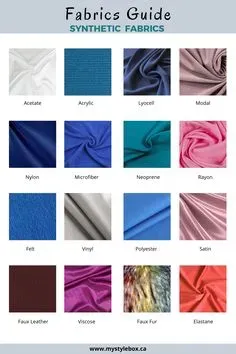
Synthetics like polyester, rayon, and nylon add durability, moisture management, and crease resistance, often enhancing colorfastness and easy care. Blends, such as cotton polyester, combine the strengths of natural and synthetic fibers to deliver softness, wrinkle resistance, and reliable performance in variable environments, while carefully weighing the tradeoffs in feel and breathability.
Weight and Weave: How Fabric Weight for Shirts and Weave Influence Drape
Fabric weight and weave are two central determinants of how a shirt drapes, feels against the skin, and holds up over time. Weight is commonly expressed in GSM or ounces per square yard, with lighter fabrics around 70–110 GSM ideal for summer and travel, midweights (110–150 GSM) offering a versatile silhouette, and heavier options over 150 GSM delivering durability for structured or rugged styles.
Weave choices such as poplin, broadcloth, and twill shape the hand feel and drape: poplin and broadcloth provide a crisp, clean line; twill offers more body and texture; and loftier, brushed weaves add warmth for casual or winter shirts. Understanding how weight and weave interact helps you pick fabrics that maintain shape, reduce wrinkling, and flatter different body types.
Breathability and Comfort: The Rise of Breathable Cotton Fabrics
Breathability is foundational to everyday comfort, and breathable cotton fabrics are a staple for both casual and formal shirts. Natural cotton fibers deliver softness and moisture absorption, helping the wearer stay cooler in warm climates and during active days, while lighter weights and smooth weaves enhance airflow.
To boost moisture management and comfort without sacrificing ease of care, blends incorporating modal, bamboo, or slight synthetic components can be used. Trends toward sateen or combed cotton with subtle stretch offer a refined sheen and comfortable freedom of movement, reinforcing the importance of choosing fabrics that align with intended use and climate.
Cotton Blends vs Synthetics: Finding the Right Balance for Your Shirts
Cotton blends vs synthetics represent a common decision point in shirt design, aiming to combine natural comfort with enhanced performance. A well-chosen blend can deliver wrinkle resistance, durability, and color retention while preserving a soft hand; the key is selecting the right proportion to meet formality, care, and climate needs.
When evaluating blends, consider fiber proportions, wash requirements, and how the fabric behaves in laundering. For premium feel and breathability, higher cotton content might be preferred; for easy care and long-lasting crispness, a stronger synthetic component can be advantageous. Each application—whether a dress shirt or a performance shirt—benefits from comparing cotton blends vs synthetics in the context of fabric weight for shirts and overall comfort.
Care, Longevity, and Practical Tips: Shirt Fabric Care Tips for a Longer Life
Care practices play a crucial role in long-term shirt performance. Following shirt fabric care tips such as washing at suitable temperatures, avoiding overloading the machine, and drying on low heat or line drying helps maintain color, texture, and fit. Finishes like mercerization or wrinkle-resistant coatings may require specific laundering guidelines to preserve their benefits without compromising fabric integrity.
A practical approach is to create a care matrix for your fabrics, documenting recommended water temperature, cycle type, drying method, and ironing settings. Rotating shirts to distribute wear evenly and conducting swatch tests on new materials are wise steps in establishing a robust care routine that protects custom shirt fabric options and ensures a lasting, sharp appearance.
Frequently Asked Questions
What is the Fabric Guide for Custom Shirts and how can it help with custom shirt fabric options?
The Fabric Guide for Custom Shirts provides a practical framework for evaluating fabric families (natural, synthetic, blends), fiber content, weight, weave, finishes, and care. By using this guide, you can compare custom shirt fabric options and choose fabrics that balance comfort, appearance, and durability for your climate and use.
How do fabric weight for shirts and weave choices affect drape in the Fabric Guide for Custom Shirts?
Fabric weight, expressed as GSM or oz/yd2, influences drape and structure. Lighter weights (roughly 70–110 GSM) read as cool and casual; midweights (110–150 GSM) provide a neat silhouette; heavier weights (>150 GSM) offer durability. Weaves like poplin, broadcloth, and twill further shape hand and drape, as explained in the Fabric Guide for Custom Shirts.
Why are breathable cotton fabrics emphasized in the Fabric Guide for Custom Shirts?
Breathable cotton fabrics offer natural comfort, moisture absorption, and hypoallergenic properties, making them a staple for everyday wear. The guide highlights breathable cotton fabrics for warm climates and active days, and notes how blends with modal or bamboo can improve moisture management without sacrificing comfort.
In the Fabric Guide for Custom Shirts, how should I compare cotton blends vs synthetics when selecting fabric?
Cotton blends vs synthetics are evaluated on fiber ratio, care requirements, durability, and performance. Blends aim to combine softness and breathability with wrinkle resistance and color fastness. The guide helps you decide based on application, climate, and maintenance expectations, balancing comfort with easy care.
What shirt fabric care tips are recommended in the Fabric Guide for Custom Shirts to extend life?
Care tips focus on preserving fiber and finish: wash at appropriate temperatures, avoid overloading, tumble on low or line dry to minimize shrinkage, and follow any non-iron or wrinkle-resistant finishes carefully. The guide also suggests a care matrix to track laundering guidelines for different fabrics.
How can designers apply the Fabric Guide for Custom Shirts to plan a cohesive shirt line with appropriate fabric weight and performance?
Start by outlining the intended use and climate, then evaluate fabric families, weights, and finishes across your line. Use swatches and tests for shrinkage, colorfastness, and hand feel, and align weights with formality and function (e.g., midweight poplin for dress shirts, lighter blends for travel shirts) to ensure consistency.
| Key Concept | Takeaway |
|---|---|
| Fabric families | Three families (natural, synthetic, blends) offer different comfort, durability, care, and performance. Choose by intended use, climate, and maintenance expectations. |
| Weight and weave | Weight (GSM/oz) and weave (poplin, broadcloth, twill, flannel) determine drape, hand feel, warmth, and structure. Lighter weights suit summer; midweights for versatile wear; heavier weights for durability. |
| Breathability and comfort | Breathability influences daily comfort; cotton offers softness and moisture absorption; blends with modal/bamboo can improve moisture management and feel; some fabrics include stretch for ease of movement. |
| Durability, care, long-term performance | Durability comes from fiber quality, weave integrity, finishing, and care. Thread count isn’t the only quality indicator. Follow appropriate care to preserve shape and appearance. |
| Custom shirt fabric options and evaluation | Evaluate use, climate, and formality; assess comfort, appearance, maintenance, and cost. Consider classic options (cotton, blends) for balance of formality and practicality. |
| Fiber quality and finishes | Long staple cotton and high-quality fibers improve hand and durability. Finishes like mercerization, brushing, or non‑iron can affect luster, feel, and maintenance. |
| Weave and hand feel | Poplin and broadcloth offer smooth, crisp surfaces; twill provides more drape and body; peached/brushed surfaces add softness. Hand feel often signals comfort and intended use. |
| Practical style tips by shirt type | Dress shirts benefit from smooth, crisp fabrics; casual shirts favor texture and flexibility; performance/travel shirts use moisture-wicking blends for comfort and easy care. |
| Cotton blends vs synthetics | Blends balance natural comfort with performance. Consider cotton-to-synthetic ratios, care requirements, and how the blend behaves in laundering and wear. |
| Fabric weight in design decisions | Weight guides silhouette and drape. Light weights for cooler, airy looks; midweights for formal versatility; heavy weights for durability and structure. |
| Care practices to extend life | Wash temperature, load management, and low-heat drying or line drying reduce shrinkage and wear. Consider care matrices and rotating shirts to avoid localized stress. |
| Putting it all together | Use a practical workflow: source swatches, test hand and drape, check shrinkage and colorfastness, and compare long‑term wear. Align fabric weight, weave, and fiber with formality, use, and care requirements. |