
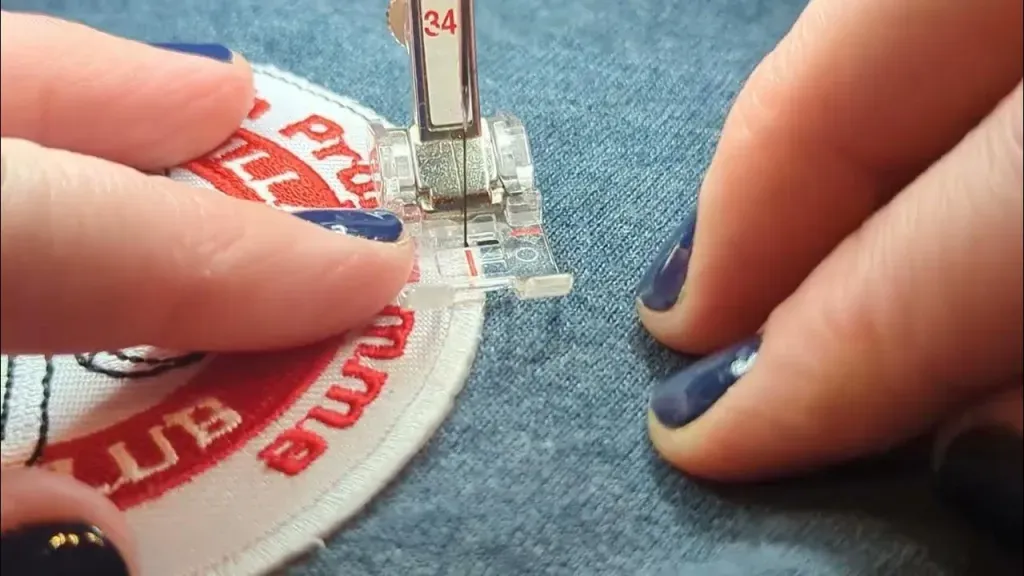
Sewn-On Backing is a time-tested choice that directly affects how a patch looks, wears, and lasts, making it a core consideration from the moment you begin designing. In this guide, we explore patch backing options—from sewn-on backing to iron-on backing—and show how fabric, laundering, and daily wear influence durability. When weighing iron-on vs sew-on, you’ll see how ease of use, washability, and fabric compatibility tilt the decision toward one backing for certain projects. For designers planning a collection, start with a trial on similar fabrics to compare performance and gain confidence in your choice of custom patches backing. Ultimately, choosing the right backing supports durability, aesthetics, and care, helping your patches stay vibrant and secure across wear.
1) Sewn-On vs Iron-On Backing: Durability and Real-World Wear
Choosing the right backing is a practical decision that goes beyond looks. Sewn-On Backing and Iron-On Backing each offer different durability profiles, especially when patches face frequent washing, abrasion, or rugged use. In this comparison, consider how the backing type interacts with your fabric, stitch quality, and intended wear to forecast long-term performance.
Sewn-On Backing, in particular, tends to become an integrated part of the garment over time, resisting peeling and edge fraying. Iron-On Backing, while convenient, can be more susceptible to laundering stresses and fabric friction, making this choice crucial for items that see heavy use or harsh washing conditions.
2) Choosing the Right Patch Backing for Fabric Types and Wash Cycles
Fabric type and wash cycles are central to selecting patch backing options. Dense fabrics like denim or canvas provide a solid anchor for sewn-on patches, while light knits might benefit from gentler stitching or a hybrid approach. Understanding fabric compatibility helps prevent puckering, edge lift, or adhesive failure.
When evaluating washability, iron-on backing can lose adhesion with high heat or aggressive detergents. Testing patches on a scrap fabric with your usual laundering routine is a smart step to predict performance and ensure the patch backing aligns with your care expectations.
3) Applying Sewn-On Backing: Techniques, Stitches, and Aesthetics
Sewn-On Backing requires careful stitching around the patch edge or through the design’s inner edges. Selecting stitch patterns—straight, zigzag, or satin—allows you to balance durability with aesthetics, as thread color can complement or blend with the patch design. This is where Sewn-On Backing truly shines, offering a seamless integration with the fabric.
Beyond durability, the visible stitches can become a design element. For a professional look on rugged fabrics like denim or leather, consider dense satin or zigzag stitches that hug the patch edge while maintaining a clean finish. This approach highlights the patch as part of the garment rather than a separate applique.
4) Applying Iron-On Backing: Temperature, Adhesive Quality, and Care
Iron-On Backing relies on heat-activated adhesive, so proper temperature control and an even application are essential. Preheating the iron to the patch’s recommended setting and using a barrier such as parchment paper helps prevent scorching the fabric while achieving a secure bond.
Carefully following laundering guidelines is crucial for iron-on patches. High-heat cycles, strong detergents, or frequent re-pressing can weaken the adhesive over time. If wear or repeated washing is expected, department into testing with a sample patch to gauge longevity before applying iron-on patches broadly.
5) Hybrid and Alternative Patch Backing Options: The Best of Both Worlds
For projects that demand both ease of application and long-term security, hybrid patch backing options offer a compelling solution. Some patches use heat-activated adhesive complemented by a secondary stitching line, combining quick placement with reinforced durability. This aligns with the broader theme of patch backing options that tailor performance to specific needs.
If you’re exploring custom patches backing, consider a small-scale test to understand how a combination approach behaves on your fabric in real-world conditions. The goal is to achieve a balance between the convenience of iron-on and the reliability of sewn-on backing, ensuring the patch remains secure under normal wear and washing.
6) Practical Decision Guide: When to Use Sewn-On, Iron-On, or Hybrid Approach
A clear decision framework helps you choose between sew-on and iron-on based on use-case, fabric, and care expectations. For rugged, frequently-washed gear, Sewn-On Backing is typically the most durable choice. It offers long-term integrity on workwear, backpacks, and jackets where edge wear is a concern.
For quick-turn projects or light fabrics, Iron-On Backing delivers speed and simplicity, with the option to test a patch on a similar fabric first. If you want both ease and security, a hybrid approach—starting with iron-on placement and adding stitches later—can provide flexibility, durability, and a more confident final appearance.
Frequently Asked Questions
What is Sewn-On Backing and why choose it for custom patches over iron-on backing?
Sewn-On Backing is a patch attachment method where the patch is stitched to the fabric, creating a durable bond that becomes part of the garment. It generally withstands frequent washing, abrasion, and heat better than iron-on backing. For custom patches backing, Sewn-On Backing offers longevity, a clean look, and broad fabric compatibility (denim, canvas, leather, and more).
For heavy-duty workwear, which patch backing options perform best: Sewn-On Backing or iron-on backing?
Sewn-On Backing is typically the best option for heavy-duty workwear due to its stitched bond that resists washing and abrasion. Iron-On Backing can be convenient but its durability varies with fabric, heat settings, and laundering. If longevity is the goal, choose Sewn-On Backing; use iron-on backing for quick deployment and consider reinforcing with stitching when needed.
Can Sewn-On Backing be used on delicate fabrics without puckering, and what techniques help with patch backing options?
Yes, Sewn-On Backing can be used on delicate fabrics when you use careful stitch design, lighter thread, and appropriate stabilizers. Start with testing on a scrap piece to fine-tune stitch density and prevent puckering. With the right technique, Sewn-On Backing remains secure while minimizing fabric distortion.
Is it worth adding an iron-on backing layer to a project that uses Sewn-On Backing, as part of iron-on vs sew-on?
A combined approach can work well: apply the patch with iron-on backing for quick placement, then sew around the edge for extra security. This balances ease of application with durability and is a common strategy among patch backing options.
What factors influence the long-term performance of Sewn-On Backing on patches?
Key factors include fabric type (denim, canvas vs knit), thread choice and stitch density, laundering routine, and patch size or design. Dense stitching on sturdy fabrics enhances durability, while delicate fabrics may require gentler sewing and stabilizers to prevent distortion.
How can I compare Sewn-On Backing vs iron-on backing on the same fabric to choose the best patch backing options for my project?
Create test swatches, apply patches with both methods, and launder/dry them to observe edge lift, puckering, and adhesion. This real-world test helps you determine which backing performs best under your conditions and fabric type.
| Aspect | Sewn-On Backing | Iron-On Backing |
|---|---|---|
| What it is | Attaches via stitches around the patch edge or through its interior; requires sewing (needle/thread or sewing machine). | Uses heat-activated adhesive on the back; bonds to fabric when heated; quick, no sewing required. |
| Durability | Generally very durable; bonds become part of the fabric and resist frequent washing and abrasion. | Durability varies; performance can decline with laundering, heat, and friction; peeling is possible. |
| Ease of use | Requires sewing skills or equipment. | Fast and easy; beginner-friendly; no sewing needed. |
| Fabric compatibility | Works on a wide range of fabrics including denim, canvas, leather, and knits. | Generally better on cotton and cotton blends; delicate fabrics may risk heat damage; test on scrap. |
| Aesthetics/feel | Edge stitches can be integrated for a flat, cohesive look; stitches can be visible depending on color and style. | Adhesive layer may create a slight ridge; patch can feel bulkier on thin fabrics; edge may appear less integrated. |
| Care and washing | Turn garments inside out; mild detergent; air-dry; low-heat acceptable if the fabric permits. | Adhesive can degrade with heat and harsh detergents; re-adhesion may be possible with careful reheating per instructions. |
| Best-use scenarios | Durable workwear or items that see heavy use; frequent washing. | Quick patches or decorative patches on lighter fabrics; no sewing setup preferred. |
Summary
Sewn-On Backing provides a durable, fabric-integrated solution for patches that emphasizes longevity and a seamless appearance. While Iron-On Backing offers speed and ease, Sewn-On Backing delivers a long-lasting bond that stands up to frequent washing, abrasion, and diverse fabrics. When planning a patch project, weigh your fabric, expected wear, and tool availability. For best results, test patches on similar fabrics—one sewn-on and one iron-on—to compare edge wear, peeling, and distortion. In most cases, Sewn-On Backing is ideal for rugged wear (denim, canvas, leather) and items that require lasting durability, while Iron-On Backing suits quick-turn projects and lighter fabrics. A combination approach can provide both ease of application and extra security for mixed-use items. By choosing the right backing, your patches can stay secure, look sharp, and endure real-world use for years to come.